
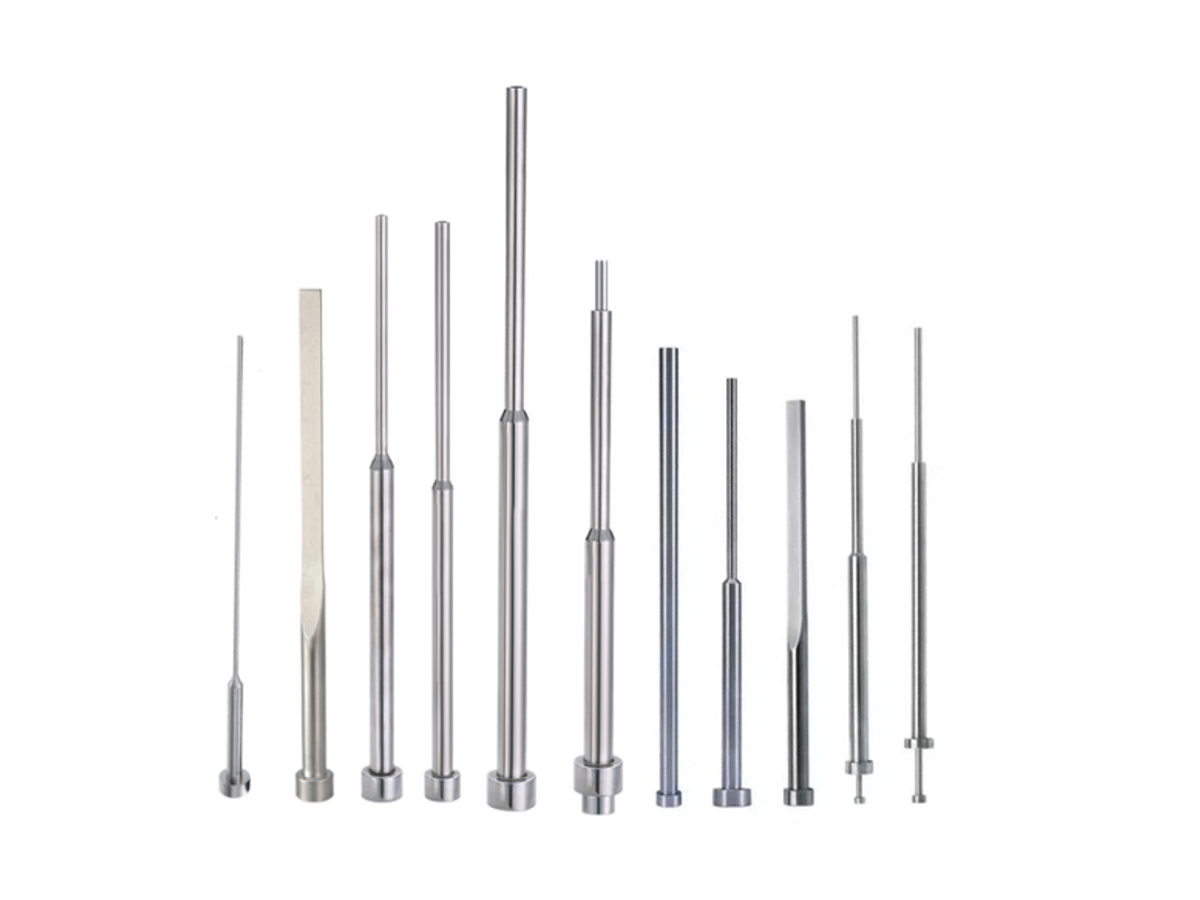

Shoulder Ejector Pins
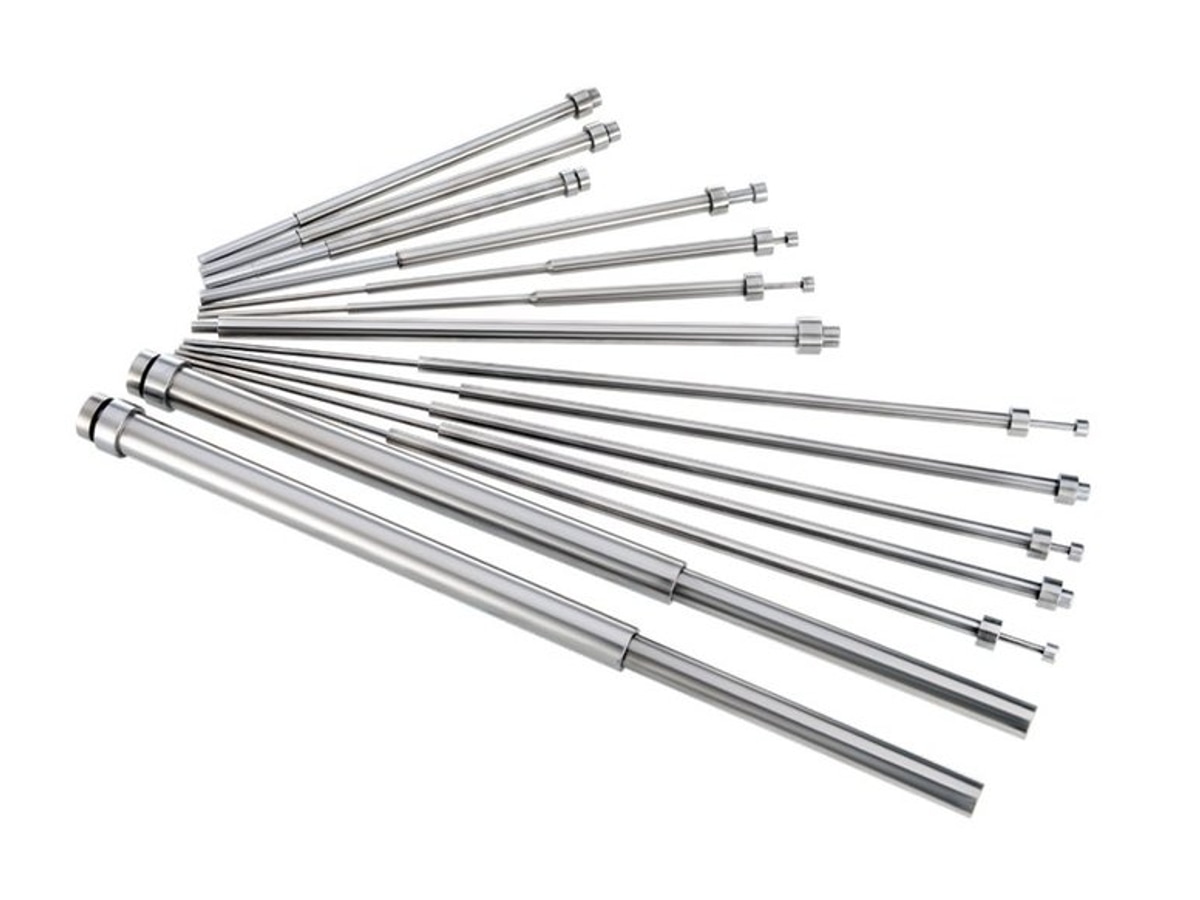
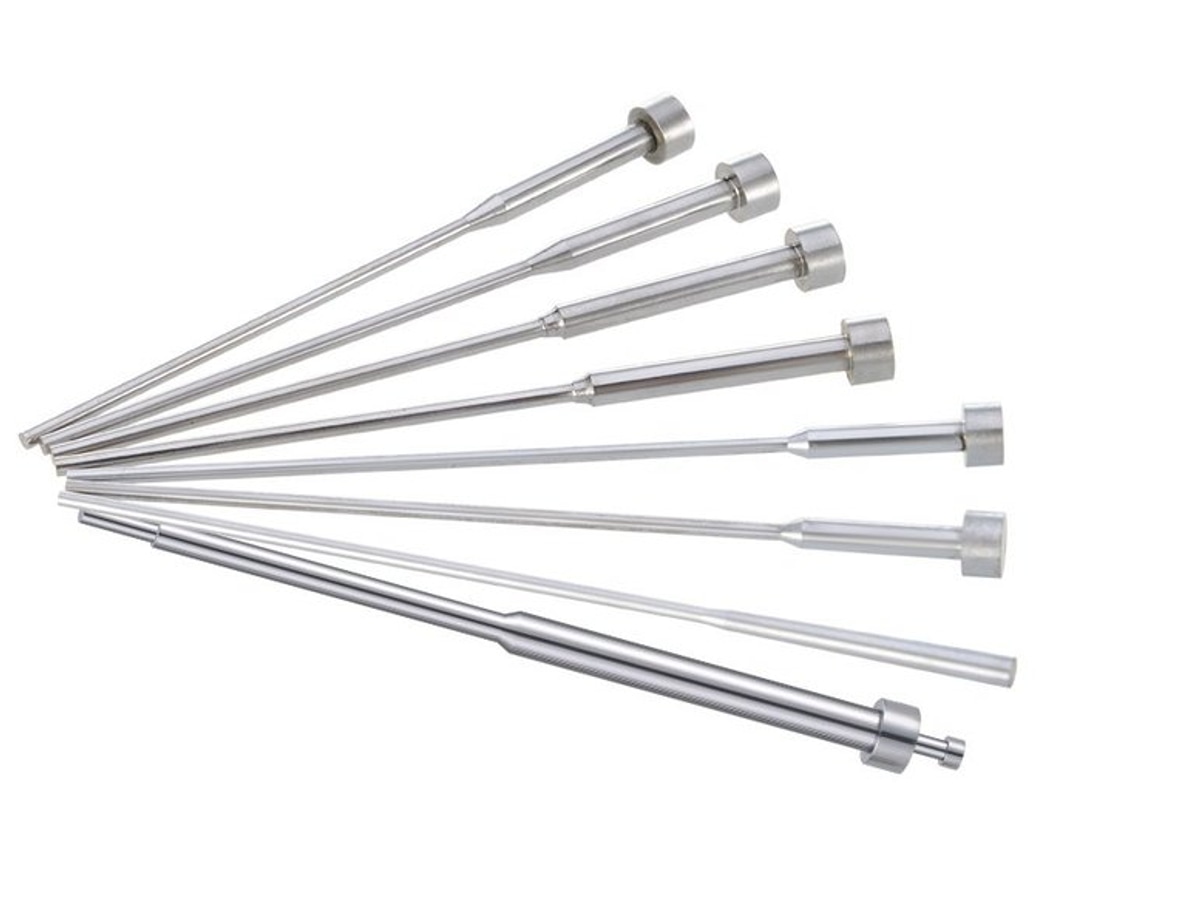
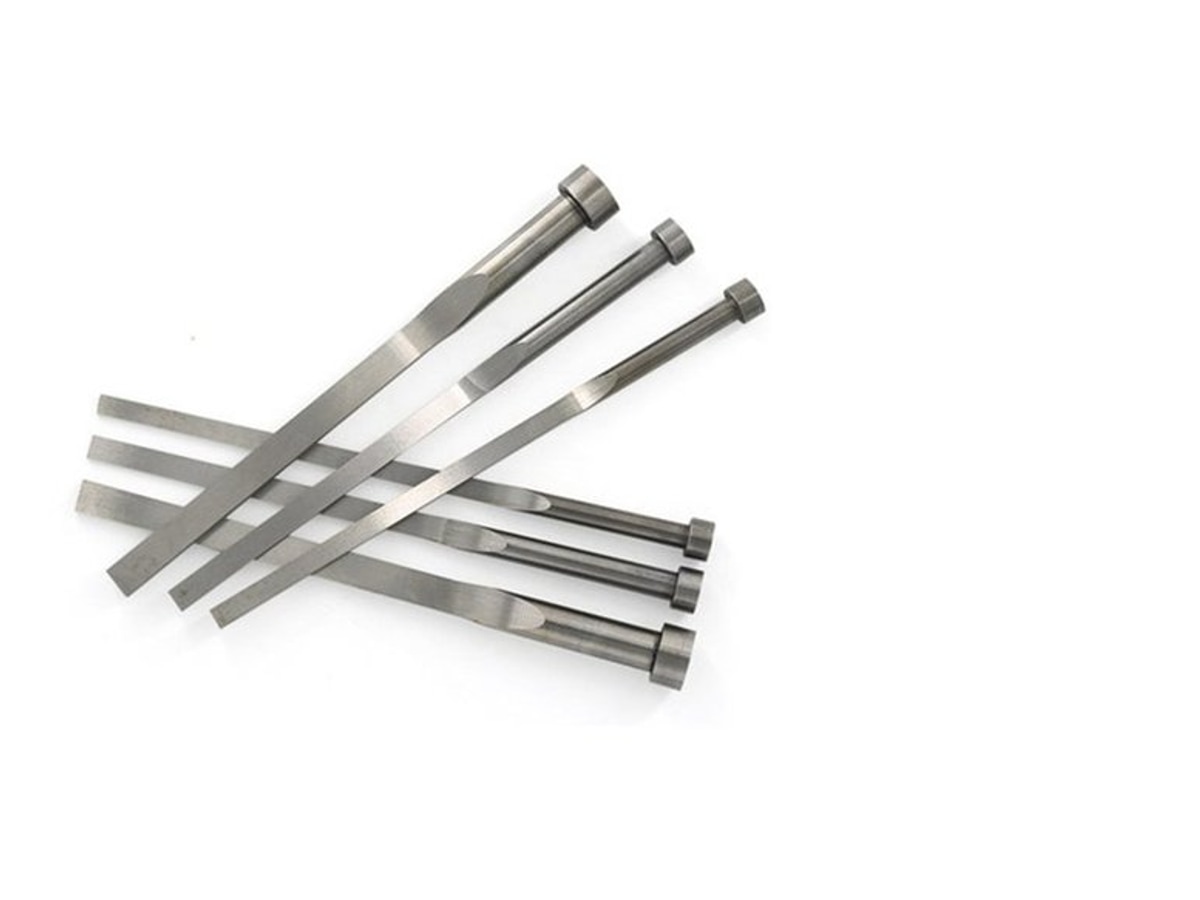
An enlarged shoulder provides a defined mounting or guiding interface. Shoulder position and mating geometry must match the ejector assembly.
Industries and operating scenarios ↓Material options
SKD61 · H13 · SKH51
The final grade and treatment are confirmed after reviewing your drawing and operating conditions.
Dimensions, tolerances, hardness, quantity and delivery are confirmed in the quotation. No fixed stock specification is implied.
Industries and operating scenarios
An enlarged shoulder provides a defined mounting or guiding interface. Shoulder position and mating geometry must match the ejector assembly.
Multi-plate molds and axially located ejectors: use the shoulder to establish position while checking ejector-plate space.
Send inquiry now →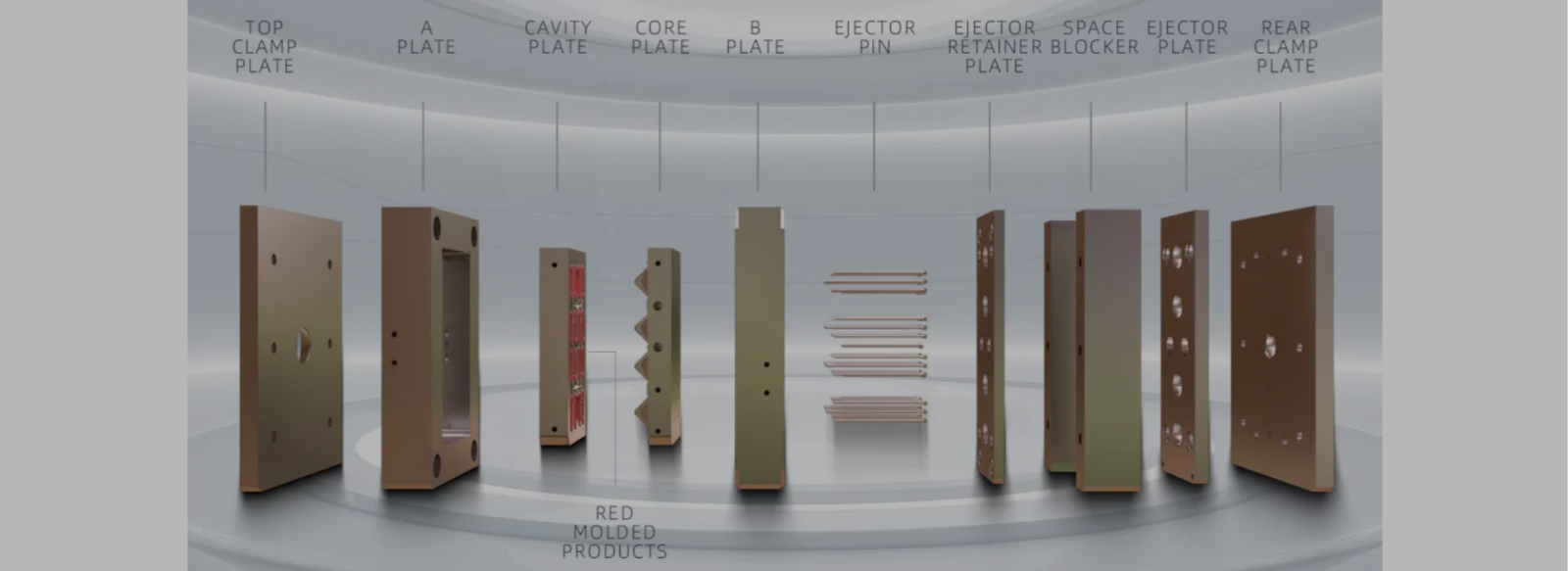
Materials and treatment options
Shoulder pins commonly use SKD61 or SKH51; match thermal fatigue and wear needs. Shoulder and shank grades can be specified separately.
Send inquiry now →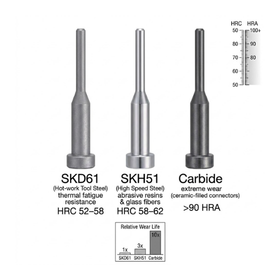
Surface treatments and finishes
Sliding sections may be nitrided or polished; define treated length and verify finished fit.
Send inquiry now →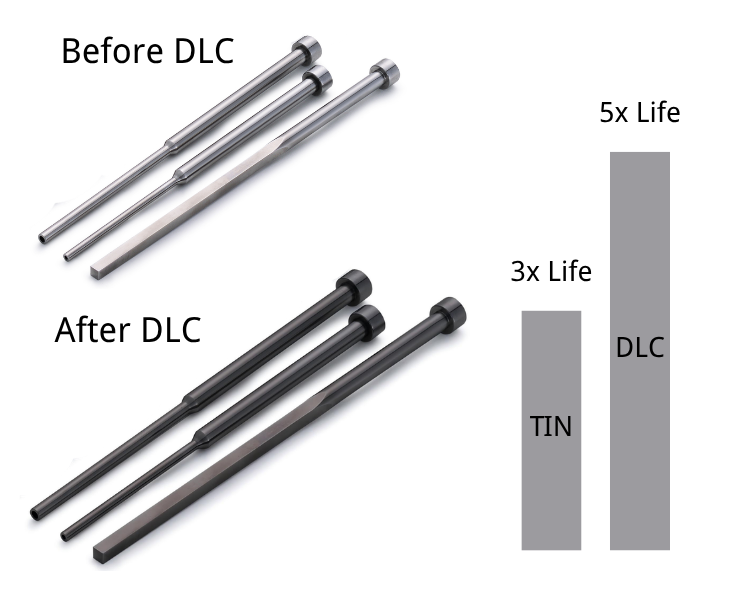
Family-specific questions
What is the difference between a standard pin and a shoulder ejector pin?
Standard pins mainly push axially; shouldered pins limit stroke, improve guidance and absorb some lateral load.
Can shouldered pins reduce bending and misalignment?
With proper shoulder geometry and clearance, shouldered pins improve guidance and load sharing in long or eccentric ejection.
Is a shoulder pin the same as a step ejector pin?
They often name the same family—shoulder emphasizes head retention; step emphasizes stepped diameters for stroke control.
Why customize shoulder pins instead of standard catalog parts?
Each mold differs in layout, guidance and stroke—shoulder height, coaxiality and radii must match your drawing.
 Chat on WhatsApp